In This Article
Some children find sounds, touch, movement, or other sensory experiences difficult to manage. This can affect learning, communication, and everyday activities. Sensory integration therapy is one approach used within occupational therapy to help children respond to sensory information more effectively.
This article explains what sessions involve and how they may support daily life.
What are sensory integration sessions?
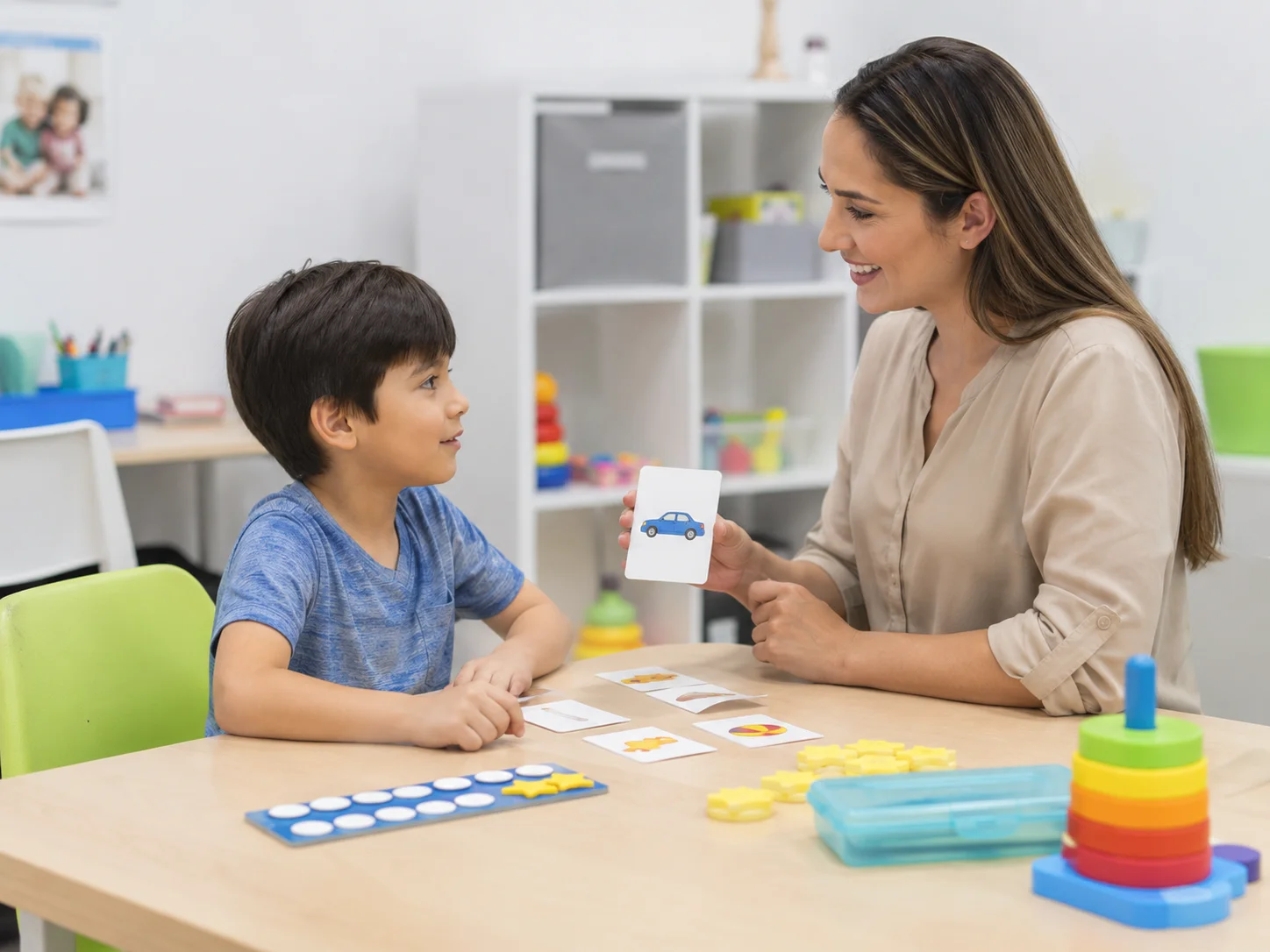
An occupational therapist provides sessions for children who have difficulty processing sensory information, including sound, touch, movement, and balance. The aim is to support responses that help children learn, play, communicate, and participate in everyday activities.
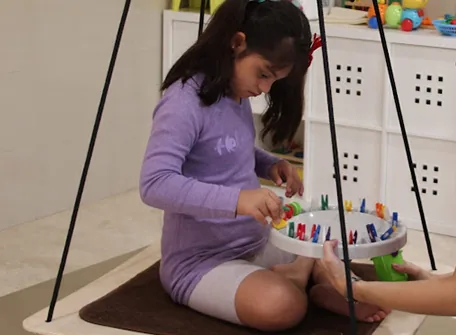
Activities are tailored to each child and may address balance, coordination, attention, and motor planning through play and interaction in a supervised setting. The therapist selects them after assessing the child's abilities and difficulties.
Goals differ, but the overall aim is more comfortable and effective interaction with the environment, supporting motor, behavioral, and social development.
How do sessions work?
Sensory integration sessions use purposeful activities chosen after assessment. A therapist may use:
- Balance and movement exercises for body control and coordination.
- Touch and texture activities to explore sensory experiences.
- Games involving motor planning and problem-solving.
- Guided play that supports attention and interaction with the environment.
Activities are adjusted gradually according to the child's response and progress. Parents receive guidance on suitable home activities that support the same goals. The plan and frequency of sessions depend on assessment findings and the child's needs.
What does the approach address?
The activities help children organize information from touch, movement, balance, hearing, and sight, with the aim of improving participation at home, school, and during play.
Potential benefits for children
Organizing sensory information
Therapy may help a child interpret sensory signals more consistently and reduce unusually strong or limited responses to sound, touch, or movement.
Attention and concentration
When sensory demands are easier to manage, a child may be better able to focus on learning activities and complete tasks, particularly if sensory difficulties were affecting attention.
Balance and coordination
Activities may support balance and motor planning, helping with running, jumping, using stairs, and handling everyday tools.
Fine motor skills
Therapy may support skills used in writing, holding a pencil, using scissors, tying shoes, and other tasks requiring hand control.
Emotional regulation
Sensory difficulties can be associated with distress, anxiety, or outbursts in certain situations. Support for sensory responses may also help a child manage emotions.
Social participation
Feeling more comfortable in the environment may make it easier to play with others and join group activities, supporting social and communication skills.
Everyday independence
Depending on the child's needs, goals may include dressing, eating, personal care, and other daily tasks.
How quickly do results appear?
Response varies with the type of sensory difficulty, age, consistency of sessions, practice of recommended home activities, and any other therapy needed. Progress is generally gradual and reviewed against the individual plan.
Is it suitable for every child?
No. An occupational therapy assessment helps determine whether sensory processing contributes to the child's difficulties and what support is appropriate.
When should families seek assessment?
Consider an assessment if a child is very distressed by sounds, touch, or clothing; constantly seeks or avoids movement; struggles to concentrate because of surrounding stimuli; has balance or coordination difficulties; or finds everyday activities harder than peers.
These signs do not necessarily establish a sensory processing disorder. They warrant assessment to understand the cause.
Could your child benefit?
If sensory experiences affect your child's comfort, attention, or daily activities, an occupational therapist can assess their needs and discuss options.
At Hope Medical Center in Saudi Arabia, care begins with an individual assessment to determine whether sensory integration sessions are appropriate. The program considers the child's age, abilities, and goals.
Concerned about your child’s development?
Book an assessment and take the first step towards the right care for your child.