In This Article
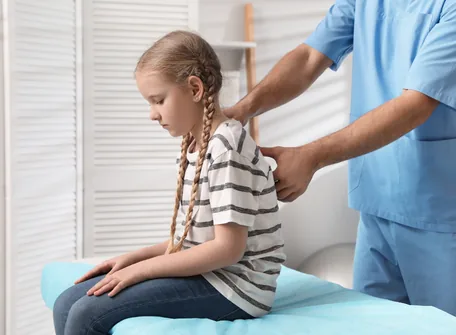
Therapy for orthopedic oncology can benefit in a variety of ways. Generally, the goal of therapy is to improve the patient’s quality of life and help them to manage the effects of their illness. This can include physical therapy to help improve strength, range of motion, and balance.
Occupational therapy can assist with activities of daily living and social work can help to provide emotional and psychological support. Additionally, pain management, nutrition counseling, and other therapies can help to improve overall quality of life and function.
Therapy In Orthopedic Oncology: How Effective Is It For Children?
The effectiveness of therapeutic treatment for children suffering from orthopedic oncology depends on the type of cancer, the stage of the cancer, the age of the child, and the overall health of the child. Generally, therapeutic treatment is effective in reducing the symptoms, controlling the disease, and improving the quality of life for the child. In some cases, the treatment may even be able to cure the cancer. While the success of each individual case varies, the overall trend is that therapeutic treatment can be an effective treatment for orthopedic oncology in children.
Here are some of the most common symptoms of bone cancer.
In general, the earlier cancer is diagnosed, the greater the chance of recovery. Consult your primary care physician as soon as possible if your child exhibits any of these common symptoms.
- Pain in any bone that gets worse over time
- Bones, muscles, or surrounding tissues with visible bumps
- Infections such as respiratory infections are common
- Issues with urination, constipation, nausea, and vomiting
- Bone or surrounding area swelling
- Legs and arms can be numb
- A fracture caused by a weakening of the bones
- Weight loss and fatigue
Bone Sarcomas Are Classified As Follows:
- The most common childhood and adolescent cancers are osteosarcomas and Ewing's sarcomas.
- Chondrosarcoma
- And other types of bone sarcomas
Treatments For Soft Tissue Sarcomas Include:
- Rhabdomyosarcoma
- Fibrosarcoma
- Liposarcoma
- Epithelioid Sarcoma
- Synovial Cell Sarcoma
- Angiosarcoma
- Leiomyosarcoma
- Myxofibrosarcoma
- Undifferentiated/Pleomorphic Sarcoma
- Dermatofibrosarcoma Protuberans
- Malignant Fibrous Histiocytoma
- Malignant Peripheral Nerve Sheath Tumor
Types Of Benign Bone Tumors Treated:
- Osteochondroma
- Osteoid Osteoma
- Osteoblastoma
- Enchondroma
- Chondroblastoma
- Bone Cysts
- Unicameral Bone Cyst (UBC)
- Aneurysmal Bone Cyst (ABC)
The Following Types Of Benign Soft Tissue Tumors Are Treated:
- Neurofibroma
- Lipoma
- Schwannoma
- Pigmented Villonodular Synovitis (PVNS)
- Giant Cell Tumor
As well as the conditions outlined above, other cancerous bone tumors such as Multiple Myeloma, Lymphoma, Metastatic Carcinoma, etc., are treated, as well as benign bone tumors of the extremities, spine, and pelvis, pathologic fractures, and non-cancerous bone and soft tissue tumors, including fibrous dysplasia, Ganglion Cyst, Baker's Cyst, etc.
https://www.youtube.com/watch?v=olyIN6uSSFA&t=14s
Concerned about your child’s development?
Book an assessment and take the first step towards the right care for your child.