In This Article
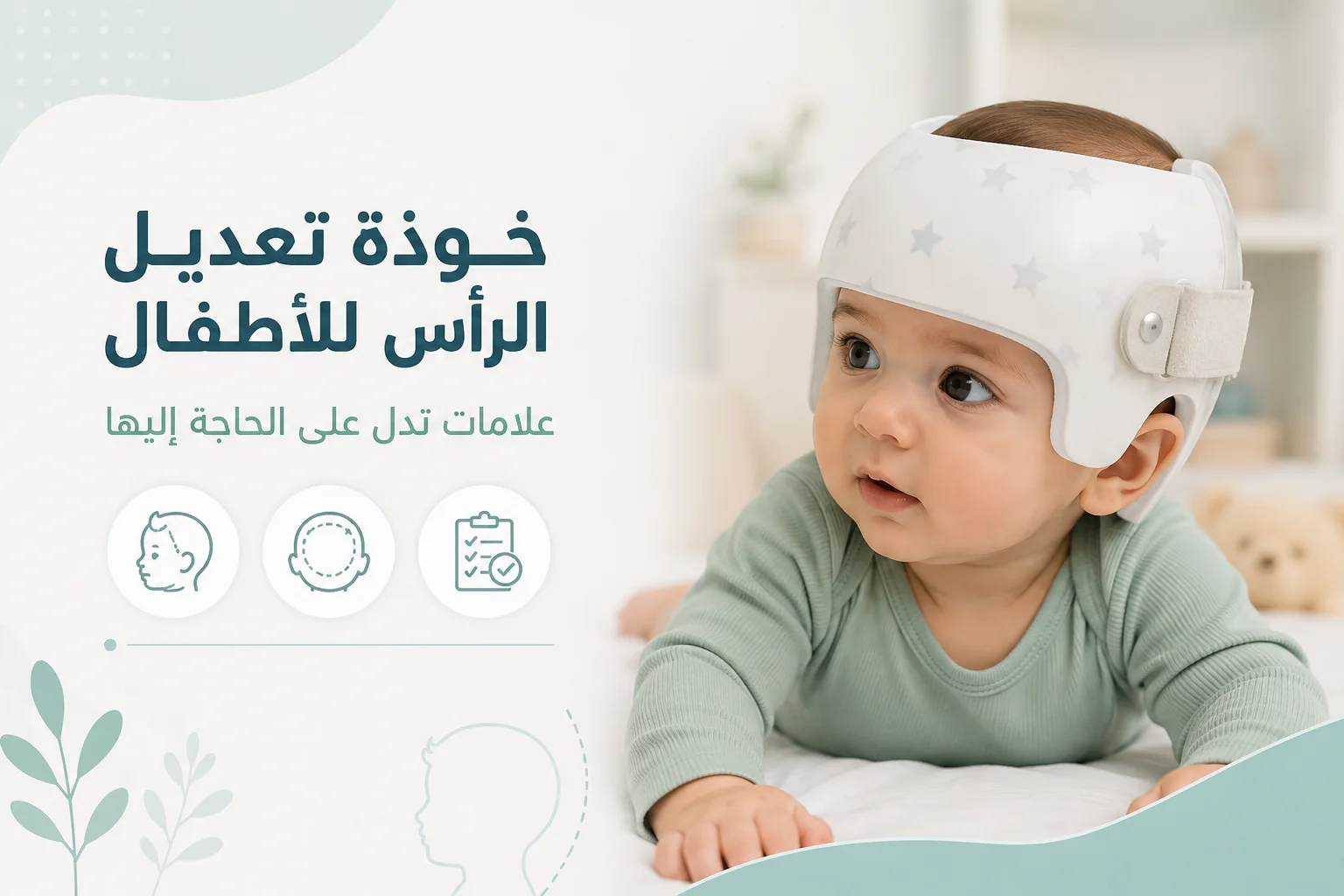
Many parents notice changes in their baby's head shape during the first months. A common question is when the shape will improve and whether it will change on its own or need treatment.
The answer depends on age, the degree of flattening, and its cause. An early medical assessment helps identify an appropriate approach for each baby.
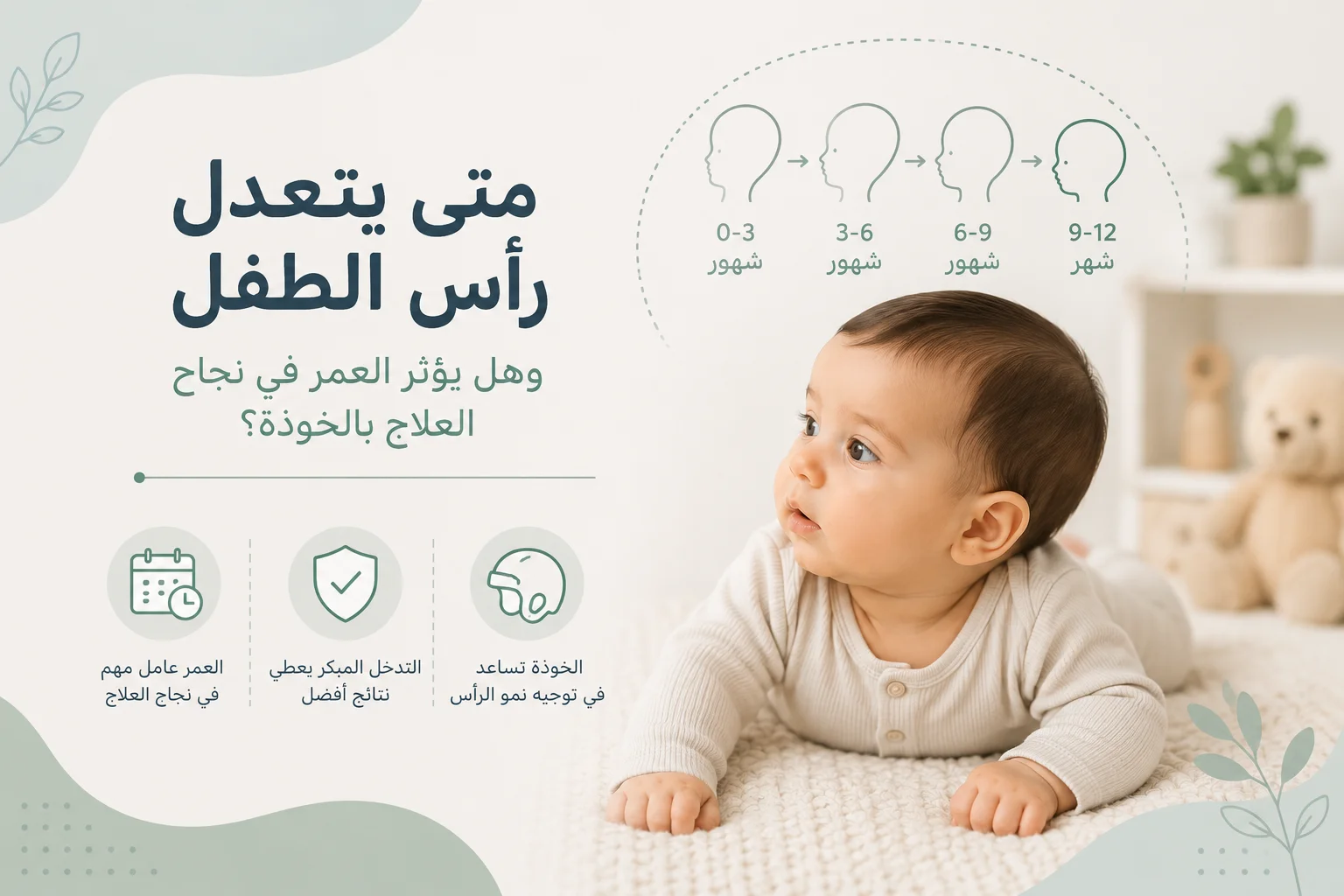
How head shape develops in the first year
A newborn's skull is flexible. Its separate bones allow the brain to grow rapidly during the first year and help the baby pass through the birth canal.
During the early months, head shape can change because of prolonged pressure on one area or other factors. As a baby grows and moves more, pressure becomes more evenly distributed, and the shape may gradually improve.
Can it improve on its own?
In some mild cases, head shape may improve gradually as the baby grows, with changes of position while awake, supervised tummy time, and regular medical review.
Not every case improves without treatment. Persistent flattening or asymmetry needs assessment to determine a suitable plan.
Why age matters
Age influences the options for changing skull shape because the skull is more adaptable during early growth. An early assessment does not mean a baby necessarily needs treatment. It gives the clinician an opportunity to choose an appropriate approach at a useful stage of growth.
When spontaneous improvement may be less likely
Further assessment may be needed if flattening persists without improvement, asymmetry is pronounced, or the baby consistently prefers looking or resting toward one side. A clinician can investigate the cause and decide whether conservative measures are sufficient or other options may help.
Does age affect helmet treatment?
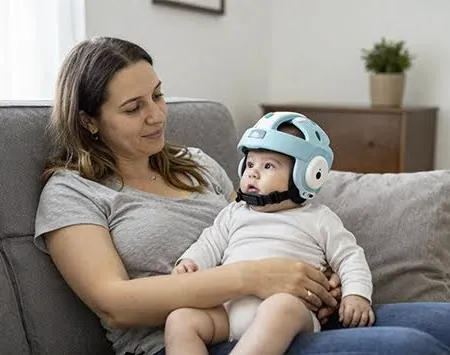
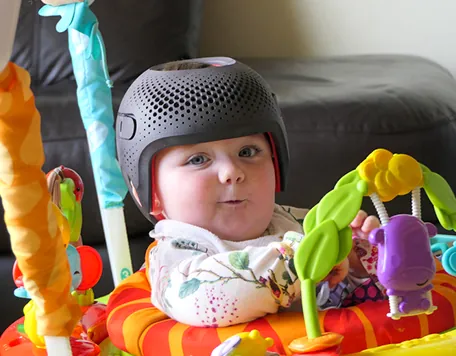
If a clinician recommends helmet therapy, age is one factor in planning because skull growth is more responsive during the early months. This is why assessment is recommended when a clear change in head shape is noticed.
The decision also considers the degree and cause of flattening and the baby's response to other approaches. Age alone does not determine whether a helmet is appropriate.
Can an older baby use a helmet?
Treatment options vary with age. A comprehensive assessment is needed to determine whether helmet treatment is suitable. The clinician considers all relevant factors rather than relying on age alone.
When to see a clinician
Seek advice if flattening persists, asymmetry increases, the baby continually turns toward one side, or the shape does not improve despite following positioning guidance. Early assessment helps identify the cause and available options while the skull is growing rapidly.
Many babies' head shapes improve naturally during the first months, but the cause, severity, and age all matter. Time alone cannot determine whether treatment is needed. If a change is persistent or pronounced, an assessment can establish whether monitoring is enough or whether another option, including a helmet, may be appropriate.
Read more: Helmet therapy for babies: signs your child may need assessment.
Concerned about your child’s development?
Book an assessment and take the first step towards the right care for your child.