In This Article
Autism care does not mean one treatment that cures autism. It means an individual support plan that helps a child communicate, develop social and daily living skills, manage difficulties that affect learning, and become more independent. Timely assessment and intervention help identify skills and support appropriate to the child's age and needs.
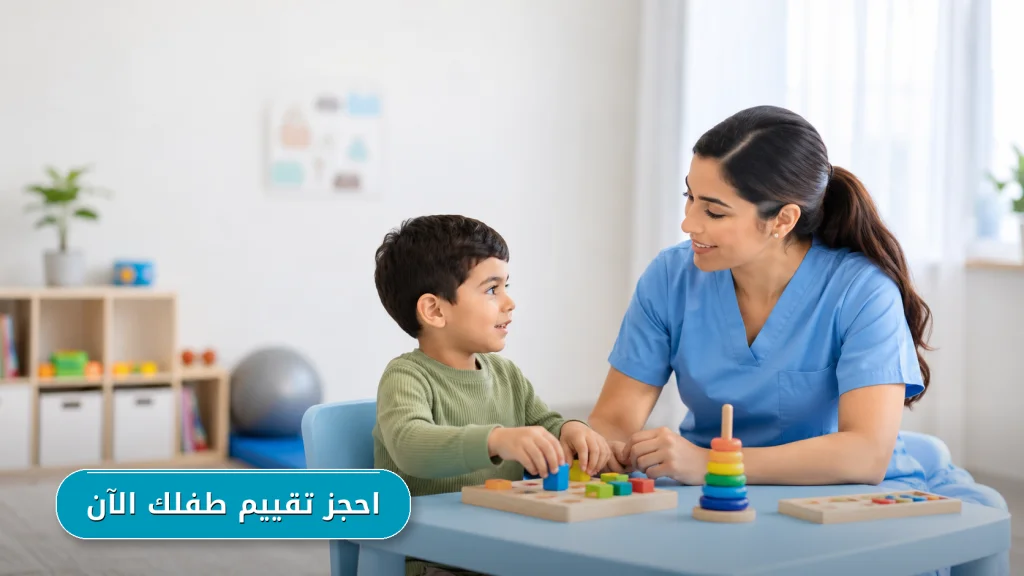
If you notice speech delay, limited eye contact, difficulty playing with other children, or repetitive behaviors, you can arrange an assessment at Hope Medical Center in Riyadh to understand the next steps rather than waiting or trying unrelated approaches.
What is the best approach to autism support?
An appropriate plan is individualized after assessment and may include ABA, speech and language therapy, occupational therapy, sensory integration, social-skills work, and support for the family at home. There is no single plan for every child. Assessment should consider behavioral, communication, sensory, and learning goals.
Is there a complete cure for autism?
Autism is a neurodevelopmental condition that affects communication, interaction, behavior, and sensory processing in different ways. A realistic aim of support is to help a child build skills, express themselves, and participate more comfortably and independently.
This does not mean therapy is unhelpful. Individual, measurable programs based on the child's needs can make a meaningful difference for the child and family.
When should a child be assessed?
Consider assessment when repeated signs affect communication, play, learning, or everyday routines. These may include delayed speech, often not responding to a name, limited eye contact, preferring solitary play, repetitive movements, marked distress with sound, touch, or changes in routine, or difficulty understanding simple instructions.
One sign alone does not establish autism. Persistent signs or their effect on everyday life make assessment useful. The purpose is to understand needs and identify support, not simply attach a label.
What does a support plan include?
A plan combines short- and long-term goals and is updated as the child progresses. It should build communication, play, attention, imitation, social interaction, sensory skills, and independence, rather than focusing only on reducing difficult behaviors.
Depending on the needs identified, the family may work with behavioral specialists, speech-language therapists, occupational therapists, sensory specialists, and developmental or psychological professionals. Coordination matters because children often need support in several areas.
Types of intervention
1. Applied Behavior Analysis
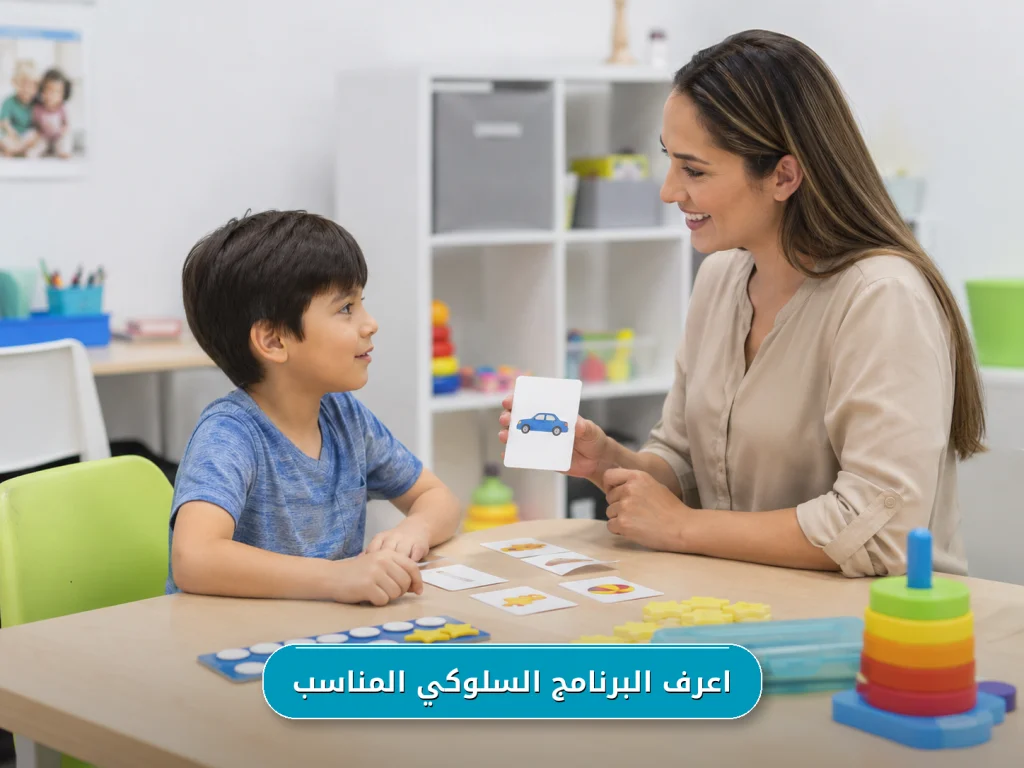
ABA in Riyadh examines factors surrounding behavior and uses clear teaching steps and positive reinforcement. Goals may include communication, attention, following instructions, play, social participation, and behaviors that affect learning.
The program should be ethical and appropriate for the child. It should support learning and safe, respectful expression, rather than pressure a child or try to change their personality.
2. Speech and language therapy
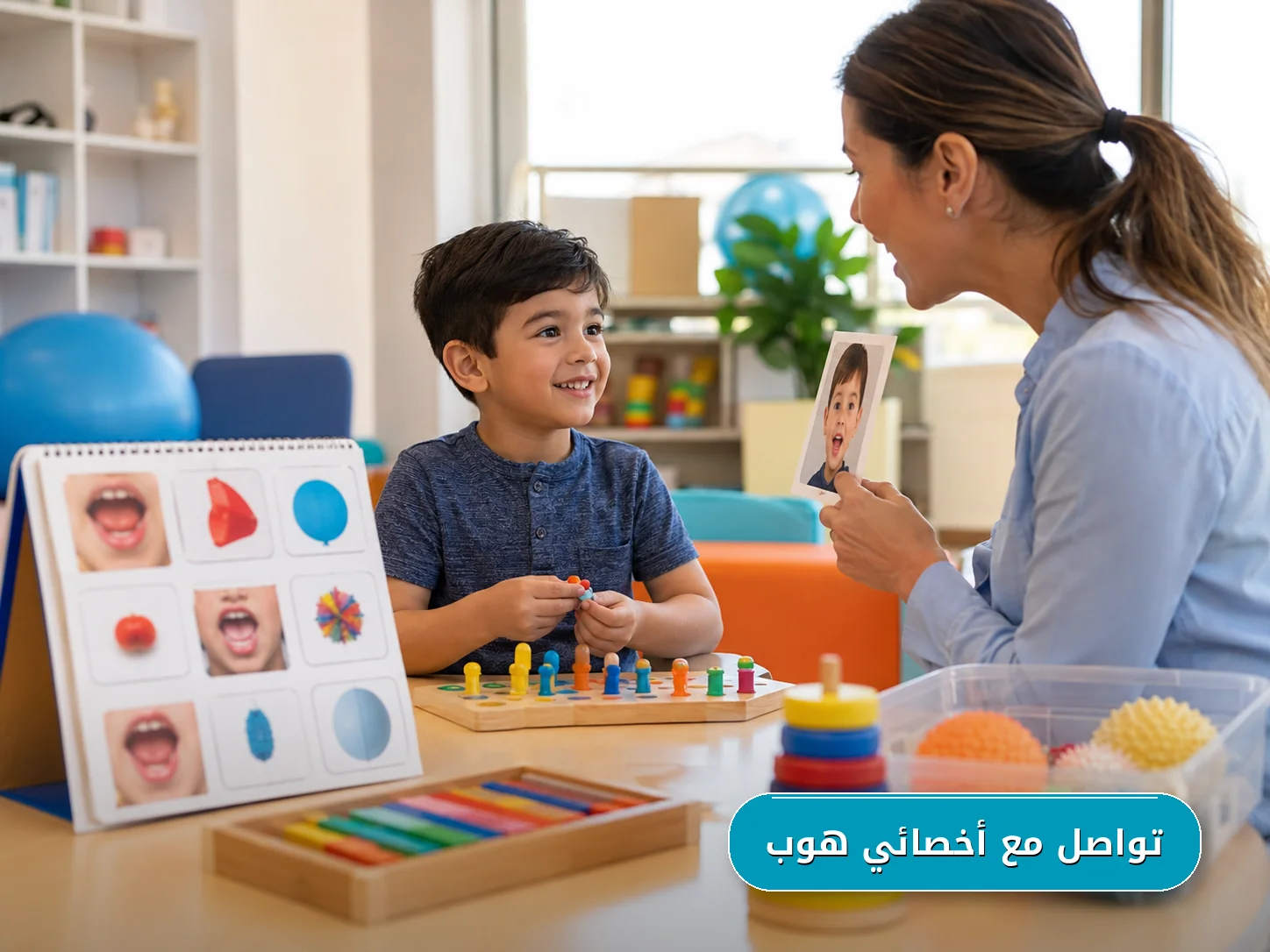
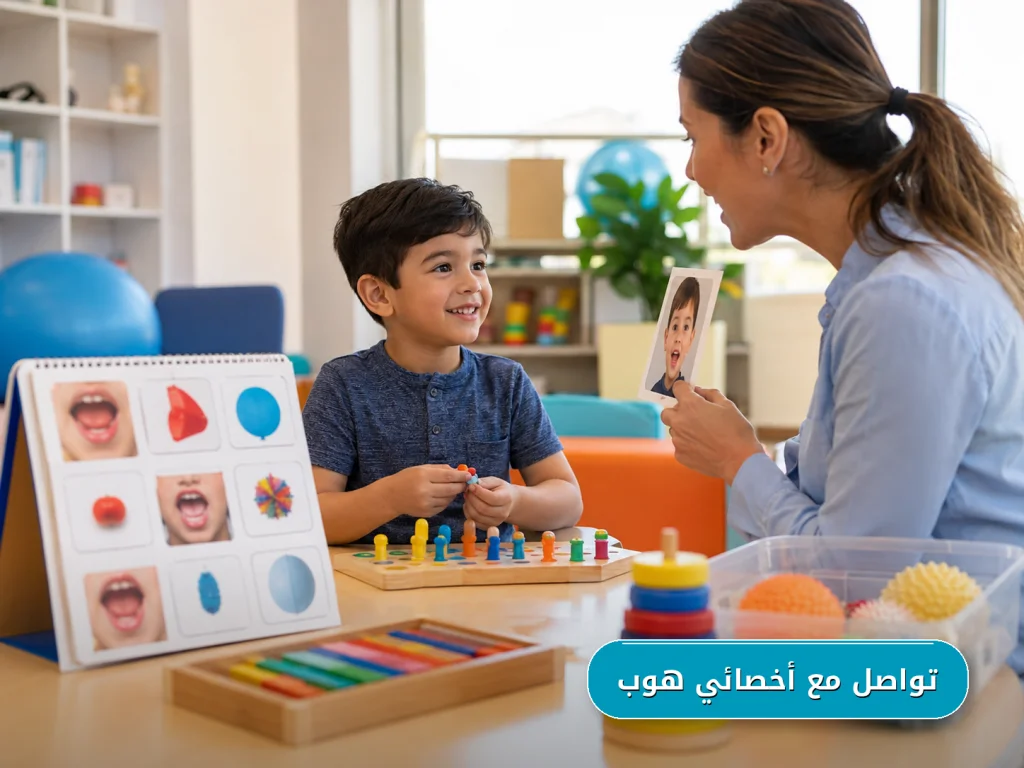
Speech and language therapy supports understanding and communication. It may help a child who uses few words, struggles with sentences, repeats speech, or relies on gestures or crying. Therapists support spoken and nonspoken communication and may introduce alternative or augmentative methods when useful.
3. Occupational therapy and sensory integration
Occupational therapy supports dressing, eating, play, hand use, attention, and everyday participation. If sound, touch, movement, or a strong need for movement causes difficulty, sensory integration support may be considered within an individual plan.
4. Social skills
Some children speak but find friendships, turn-taking, facial expressions, or group play difficult. A social-skills group may help when the child is ready to work in a small, professionally supported group.
5. Intensive therapy when appropriate
Some children may benefit from a focused program for a defined period, particularly when working on several communication, movement, or daily living goals. Intensive programs in Riyadh should follow assessment and consider the child's age, tolerance, and family goals.
Matching support to needs
- Difficulty following instructions or behaviors that affect learning: behavioral support can teach skills and measure progress step by step.
- Speech delay or difficulty expressing needs: speech and language therapy supports understanding and spoken or nonspoken communication.
- Strong sensory responses or a persistent need for movement: sensory-informed occupational therapy can support responses to the environment.
- Difficulty dressing, eating, or using play materials: occupational therapy develops everyday skills and independence.
- Difficulty making friends or interpreting social situations: social-skills work supports sharing, waiting, and understanding social cues.
The family's role
Children spend most of their time outside therapy, so family involvement is central. Using appropriate strategies in everyday routines helps skills transfer beyond the clinic.
Examples include clear, short sentences, encouraging communication attempts, reducing repeated commands, using pictures or simple steps for routines, helping a child express what they need, and making time for interactive play away from screens.
Choosing a center in Riyadh
Look beyond a program's name. Ask about the assessment, the team's qualifications, progress measurement, family involvement, recommended frequency, and whether communication, behavior, sensory needs, and daily skills are considered together.
Hope Medical Center in Riyadh offers multidisciplinary pediatric rehabilitation, including early intervention, ABA, speech therapy, occupational therapy, sensory integration, and intensive therapy when appropriate.
Starting at Hope
An assessment considers communication, behavior, play, sensory and motor skills, and everyday needs. The team then develops measurable goals, follows progress, and adjusts the plan according to the child's response.
Contact Hope or arrange an assessment to discuss your child's individual needs.
Common mistakes to avoid
Waiting indefinitely for speech to develop, replacing assessment with unproven supplements or regimens, choosing many sessions without clear goals, or focusing only on speech can leave important needs unaddressed. Be cautious about promises of a complete cure or miracle treatment, which can delay useful support.
Autism support is a process of learning and rehabilitation, not a promise of immediate cure. An individual plan, coordinated team, and genuine family participation help make progress meaningful. Small gains in communication, play, or independence can matter greatly to everyday life.
Arrange an assessment at Hope Medical Center in Riyadh to understand your child's needs and discuss a suitable plan.
This article is for general education and does not replace assessment by a qualified clinician. Seek specialist guidance if you have concerns about your child's development, behavior, or communication.
Concerned about your child’s development?
Book an assessment and take the first step towards the right care for your child.