In This Article
Choosing an autism center in Saudi Arabia is an important decision for a family concerned about a child's communication, behavior, or social interaction. The "best" center is not one name that suits every child. It is a center that begins with a thorough assessment, creates an individual plan, brings relevant specialists together, and measures progress rather than relying on broad promises or unproven solutions.
Autism affects communication, interaction, and behavior in different ways, so each child needs a plan built around their strengths and difficulties. An assessment at Hope Medical Center can help families understand those needs and plan the next steps.
What should a good autism center offer?
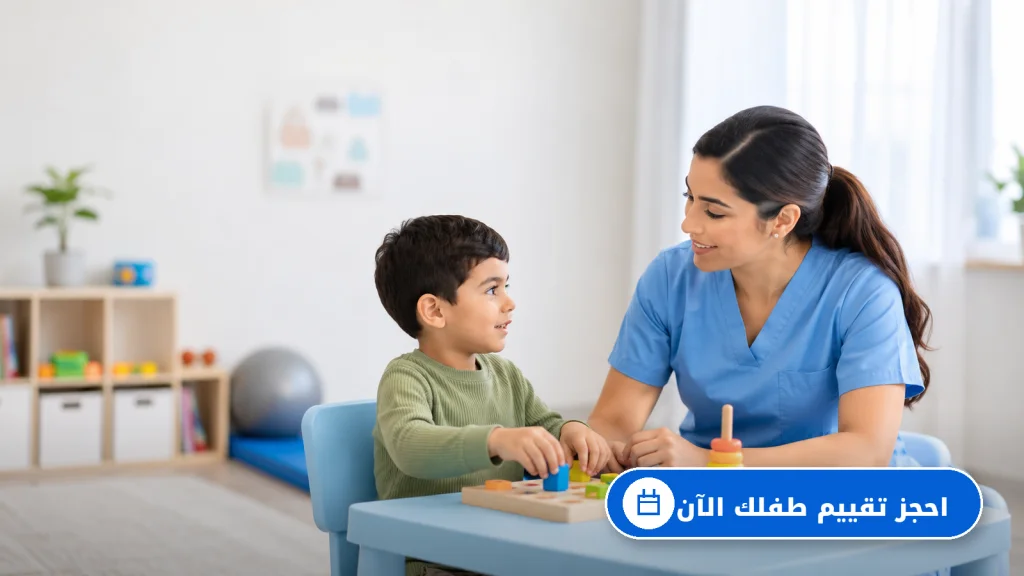
A center should understand the child before prescribing sessions. Assessment considers communication, behavior, speech, sensory needs, daily living skills, and learning. A responsible service focuses on quality of life and measurable rehabilitation goals rather than promising a complete cure.
Why a name or reputation is not enough
Location and reputation matter, but a child may need behavioral support, speech and language therapy, occupational therapy, sensory integration, early intervention, or a combination. The decision should follow assessment and a clear plan rather than an advertisement or general recommendation.
One child may have a speech delay; another may speak but find social interaction difficult; another may be very sensitive to sound or touch. A suitable center builds its plan around the child rather than offering one fixed program to everyone.
Criteria for choosing a center
1. A comprehensive assessment
Assessment should include discussion with parents, observation, developmental history, communication and language, behavior, and sensory and functional needs. The purpose is to identify current needs and priorities, not only signs associated with autism.
2. A multidisciplinary team
A child may benefit from collaboration among behavioral specialists, speech-language therapists, occupational therapists, sensory specialists, and developmental or psychological professionals when needed. Shared planning helps avoid conflicting goals and gives families a clearer direction.
3. Established approaches
Ask about approaches such as ABA, speech and language therapy, occupational therapy, sensory integration, social-skills support, and early intervention. Be cautious about promises of a complete cure or a miracle treatment, which can delay access to appropriate services.
4. An individual, measurable plan
The plan should say more than "speech sessions" or "behavior sessions." It should set goals such as functional communication, responding to a name, expressing needs, shared attention, play, everyday skills, or reducing distress. Goals should be reviewed and updated.
5. Family involvement
Children need opportunities to use skills at home, school, and in the community. A good service explains how parents can support communication, respond to difficult situations, and use visual routines or clear instructions at home.
6. A safe, engaging environment
The setting should be organized, safe, child-friendly, and equipped for learning and sensory activities. Children need to feel secure. A positive relationship matters more than a session built around constant commands or pressure.
7. Clear progress reviews
Ask how progress is measured, when plans are updated, whether reports are provided, and how findings are explained to the family. Regular review turns repeated sessions into a purposeful plan.
Explore rehabilitation services.
Services to consider
Applied Behavior Analysis
ABA examines what happens before and after behavior, teaches skills, and measures progress. After assessment, an ABA program in Riyadh may be considered for attention, following instructions, functional communication, or everyday behavioral needs.
Speech and language therapy
Children may need support understanding language, using words or sentences, communicating without speech, or using pictures and signs. Speech and language therapy should be available when communication is a priority.
Occupational therapy and sensory integration
Difficulty with eating, dressing, hand use, attention, or responses to sound, touch, and movement may call for occupational therapy or sensory integration support, depending on assessment.
Early intervention
Timely support can help communication, interaction, and learning. An early intervention program gives families a clearer path than prolonged waiting or trying unrelated services without assessment.
Intensive therapy and social skills
Some children may benefit from a focused program for a defined period or group work on interaction. Explore intensive therapy and social-skills groups when recommended for the child's age, readiness, and goals.
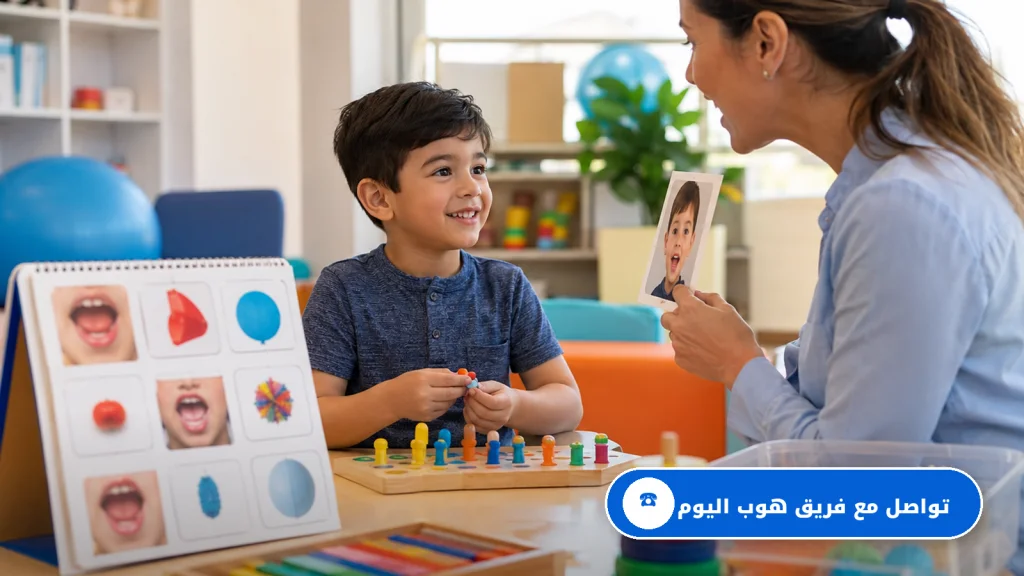
Could Hope Medical Center suit your family?
Hope offers coordinated pediatric rehabilitation for families seeking assessment and a multidisciplinary plan. We connect individual needs with services such as ABA, speech and language therapy, occupational therapy, sensory integration, early intervention, social skills, and intensive therapy when appropriate.
Hope is one specialist option families can evaluate when looking for autism support in Saudi Arabia. The choice should depend on the child's needs and the quality of the proposed plan, rather than an unqualified claim to be the best.
How to begin
The process starts with a conversation or assessment appointment, information from the family, and evaluation of the child's strengths and difficulties. The team then recommends goals, services, and session frequency. During the program, progress is measured, goals are reviewed, and parents receive guidance for home.
Book an assessment or contact Hope to discuss the next step for your child's age and needs.
Questions to ask before choosing
- Does the center assess before recommending sessions?
- Are different specialists available when needed?
- Is the plan individual and written with measurable goals?
- Are parents trained to use strategies at home?
- Are progress reports provided?
- Are approaches based on established practices and evidence?
- Does the center avoid unrealistic promises?
Common mistakes
Choosing only by price, number of sessions, ambitious promises, or trying many programs without assessment can lead families away from their child's priorities. Focusing only on speech may overlook behavior, sensory needs, daily skills, or social participation. Begin with assessment and a plan based on the whole child.
A suitable center combines experience, comprehensive assessment, individualized planning, collaboration, and family participation. No one intervention fits every child, but appropriate support can improve communication, everyday skills, and quality of life.
Explore Hope's services or arrange an assessment to discuss a suitable program.
This article provides general education and does not replace assessment by a qualified clinician. If you have concerns about your child's development, behavior, or communication, seek specialist guidance.
Concerned about your child’s development?
Book an assessment and take the first step towards the right care for your child.