In This Article
When a child is diagnosed with cerebral palsy, parents often ask: Will my child be able to speak? Will others understand them? How can I help them express themselves?
Communication difficulties are common in cerebral palsy and can affect development, confidence, and interactions. There are ways to support communication, and early intervention can make a meaningful difference.
Why early speech and language support matters
During the early years, the brain is highly adaptable and develops connections quickly. With appropriate support, children can build skills for communication, relationships, and independence.
Early intervention gives children tools suited to their needs. That might involve clearer speech, gestures to express needs, or assistive technology. Starting early helps children develop confidence and feel understood.
How speech therapy helps
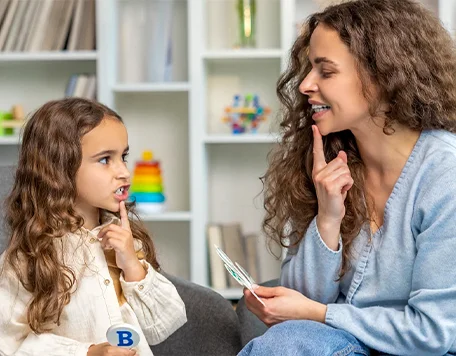
Speech and language therapy is not only about speaking. It helps children find communication methods that work for them. At Hope Medical Center in Riyadh, therapists assess each child and create a plan based on their abilities and challenges.
Sessions may include:
- Appropriate exercises for oral movement and coordination.
- Language activities to support understanding and use of words.
- Feeding and swallowing support when needed.
- Communication tools such as picture boards or speech-generating devices.
- Social communication practice for play, school, and family interactions.
Parents' role
Families know their children best, and home support is an important part of therapy. Small daily steps can help:
- Read aloud to support language and listening.
- Celebrate attempts to communicate, however small.
- Encourage interaction through gestures, sounds, or other communication methods.
- Stay in touch with the therapist so that home and clinic strategies are consistent.
Questions from families
When should speech therapy begin?
An assessment can begin when communication or feeding difficulties are noticed. Early support can help identify suitable strategies for development.
What if my child does not develop clear speech?
Not every child with cerebral palsy develops clear speech, but that does not mean they cannot communicate. Therapists can introduce alternatives such as signs, picture boards, or speech-generating devices so that each child has a way to express themselves.
How often are sessions needed?
Frequency depends on individual needs and progress. Some children benefit from several sessions each week, while others need fewer. The therapist will recommend a suitable plan.
Concerned about your child’s development?
Book an assessment and take the first step towards the right care for your child.