In This Article
Most parents do not expect to spend their baby's first months thinking about head shape. Once they notice a difference during feeding, bath time, or in photographs, however, it can be difficult to stop worrying.
At Hope Medical Center in Riyadh, we meet families concerned about positional head flattening. This guide answers questions parents commonly ask.
Why head shape can change
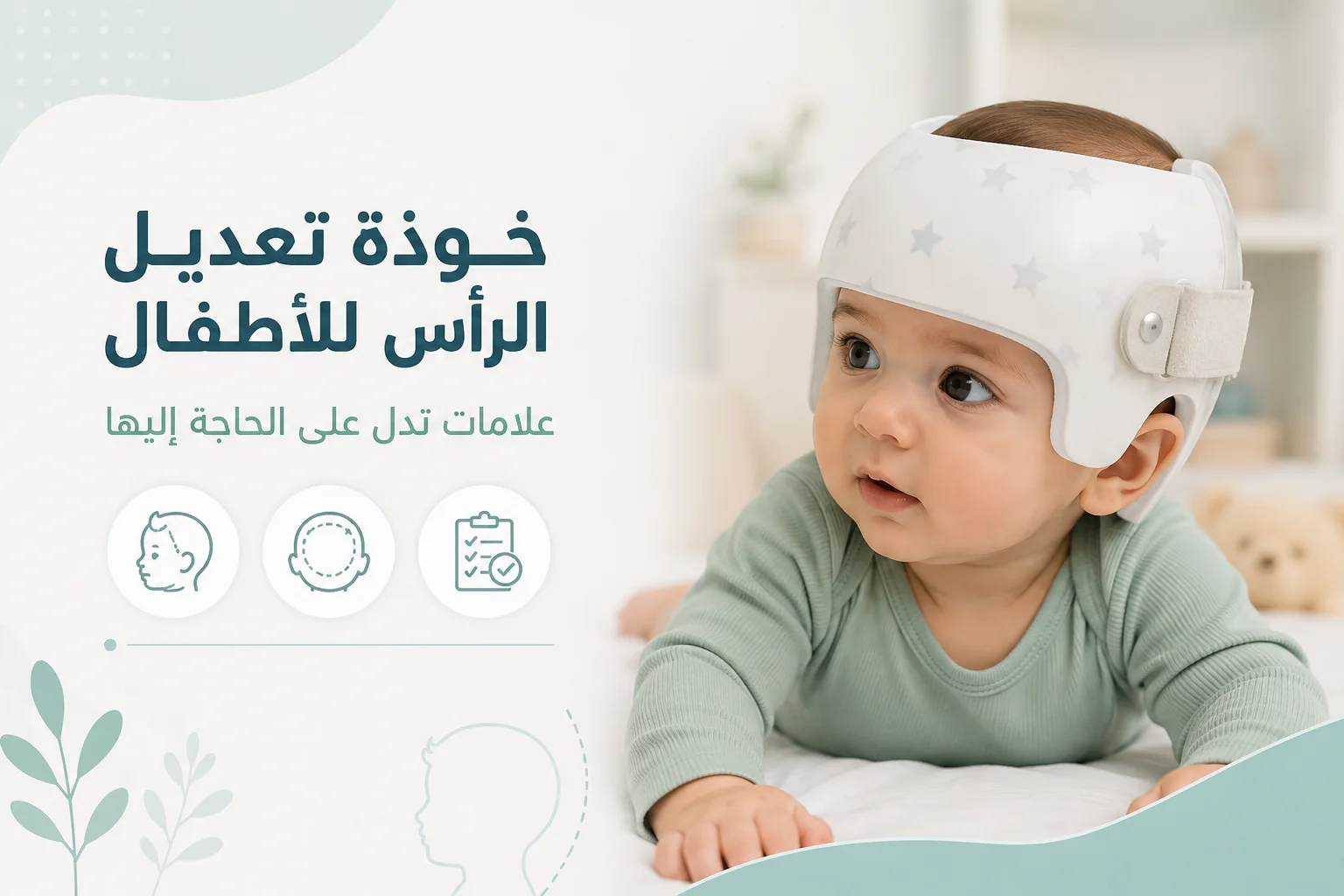
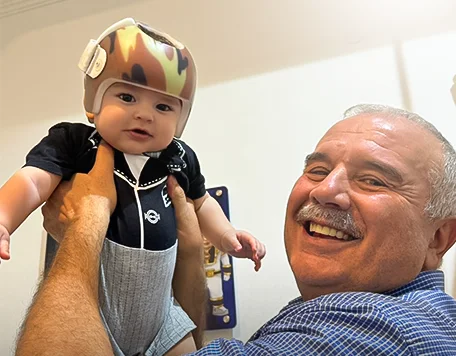
A baby's skull is soft and designed to grow quickly. Spending long periods in one position, tight neck muscles, or an early position preference can contribute to flattening or asymmetry. A cranial helmet guides skull growth gently rather than forcing the head into a shape.
Questions at a first consultation
Will the helmet hurt?
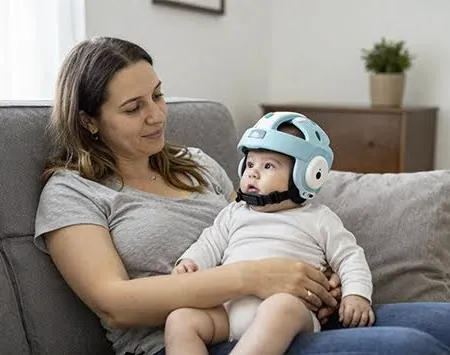
A properly fitted helmet is designed to be lightweight and comfortable. Some babies need a short adjustment period, but most continue feeding, sleeping, and playing as usual.
When is the right time to start?
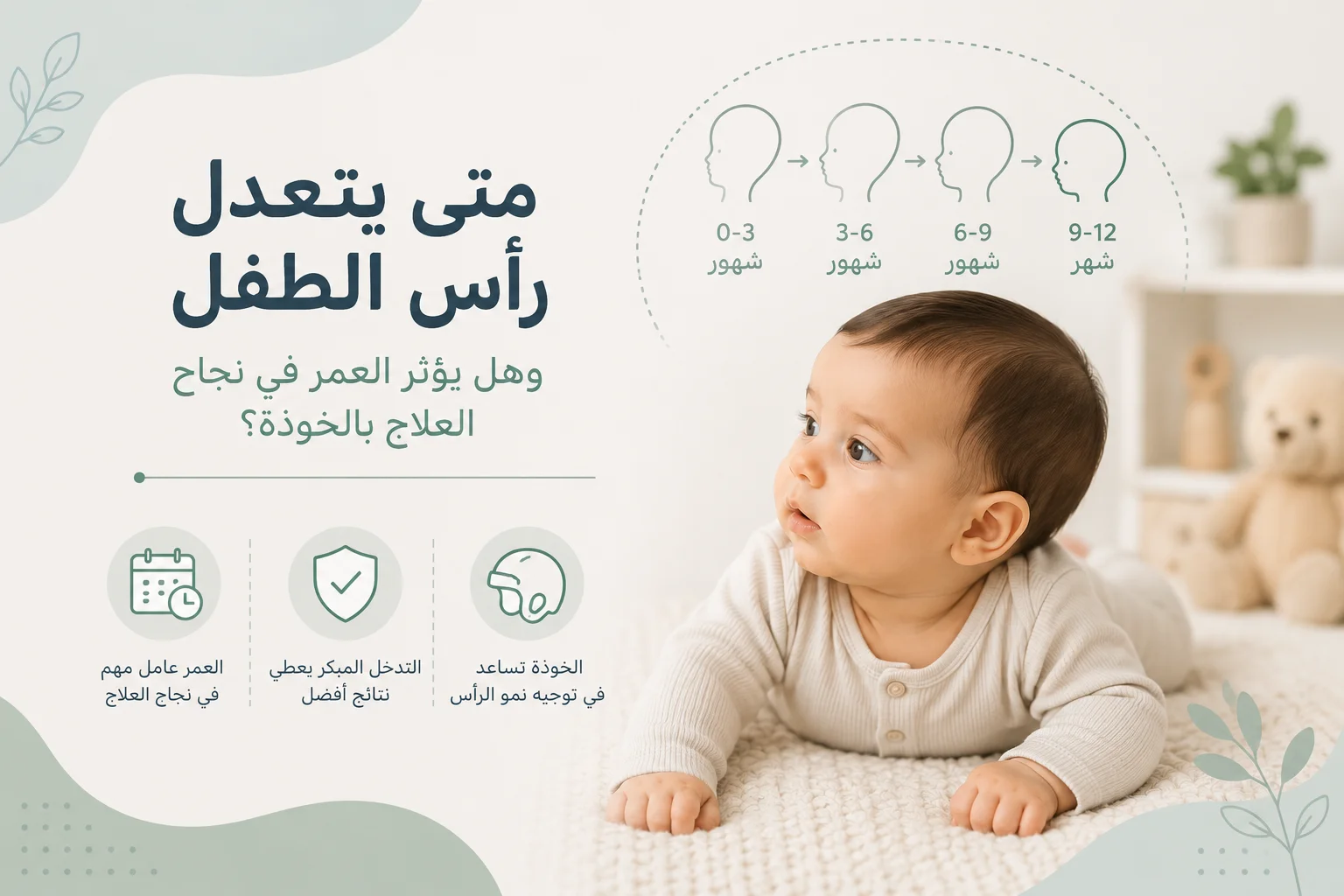
Helmet treatment is generally considered during the early months, often around four to eight months when head growth is rapid. Assessment determines whether a helmet or another approach is appropriate for the individual baby.
What is daily life with a helmet like?
Babies usually wear the helmet for most of the day, often 20 to 23 hours, removing it for bathing and cleaning according to their treatment plan. It gradually becomes part of the daily routine.
Does it affect sleep or motor development?
Most babies sleep normally after a short adjustment period. Helmets are designed to allow movement and play, including rolling, crawling, and other developing skills.
How long does treatment take?
Duration depends on age, growth rate, and the degree of flattening. Many courses last three to six months. Follow-up visits monitor progress and allow adjustments.
What about skin care?
Parents may notice mild, short-lived redness when removing the helmet, particularly early on. Cleaning the helmet daily and keeping the baby's skin dry become part of the care routine.
Will other people comment?
Some parents worry about attention from others. Responses are often curious or supportive, and many families become more comfortable as they see progress.
Is additional therapy needed?
Some babies benefit from physical therapy, particularly when neck tightness or a position preference is present. Others do not need additional treatment. The recommendation depends on individual needs.
How do we know whether it is the right decision?
An appropriate assessment is the key step. At Hope Medical Center, our pediatric rehabilitation team listens to parents, assesses the baby, and explains the options. Sometimes simple guidance is enough; in other cases a helmet may be useful during growth.
Further questions from parents
How often are follow-up visits needed?
Visits are scheduled regularly to monitor head growth and make adjustments. They also give families opportunities to ask questions.
How do we begin?
Start with a comprehensive assessment. The team explains the findings and options clearly so that parents can decide without pressure.
What changes can we expect, and when?
Changes are gradual. Some families notice improvement within weeks; others need longer. The team reviews progress and adjusts the plan as the baby grows.
If you are concerned about head flattening, arrange a consultation with the helmet therapy team at Hope Medical Center to discuss an appropriate plan.
Concerned about your child’s development?
Book an assessment and take the first step towards the right care for your child.